
Introduction
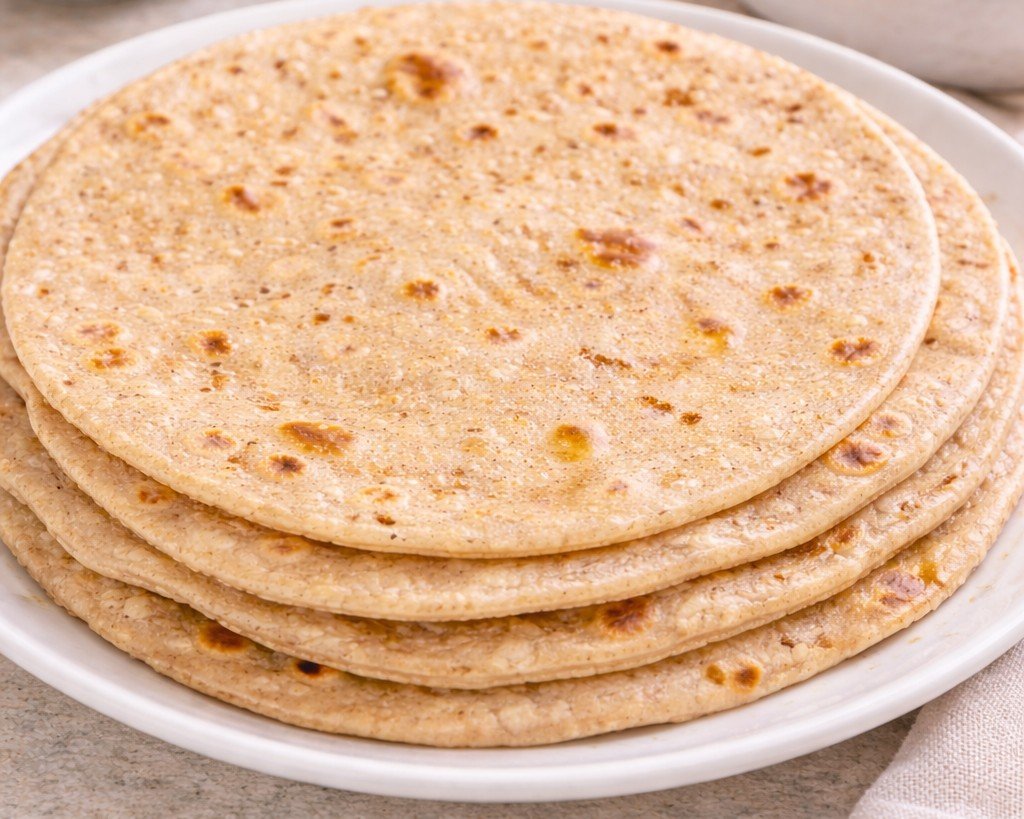
In most Indian homes, the comforting smell of fresh soft chapati roasting on a hot tawa is a part of everyday life. A warm, freshly cooked flatbread is more than just food—it’s an emotion that brings comfort and familiarity to every meal. Whether it’s a quick lunch before office, a simple dinner with sabzi, or a meal packed lovingly for tiffin, chapati remains a staple that connects generations across India. From students living away from home to busy working professionals, everyone looks for a reliable recipe that delivers soft and healthy results every time.
Chapati, also known as roti or phulka, is a traditional Indian flatbread made using whole wheat flour and water. While it may appear simple, making perfectly soft chapati at home requires the right dough texture, proper resting time, and correct cooking technique. In this detailed guide, you will learn how to make soft chapati step by step, along with common mistakes to avoid and practical tips followed by Indian home cooks. This chapati recipe is beginner-friendly, budget-friendly, and ideal for everyday Indian meals.
Table of Contents
Calories & Nutritional Information (Per Serving)
- Calories: 110 kcal
- Protein: 3.5 g
- Carbohydrates: 22 g
- Fat: 1.5 g
- Fiber: 3 g
(Values are approximate and may vary based on flour quality and size.)
Health Benefits
Chapati is considered one of the healthiest staples in Indian cuisine when made at home.
- Whole wheat flour is rich in dietary fiber, which supports digestion
- Provides slow-release energy, suitable for daily meals
- Lower in fat compared to naan or paratha
- Helps keep you full for longer, aiding weight management
- Suitable for diabetics when portion-controlled and paired with vegetables
Chapati fits well into most Indian dietary preferences without making any medical claims.
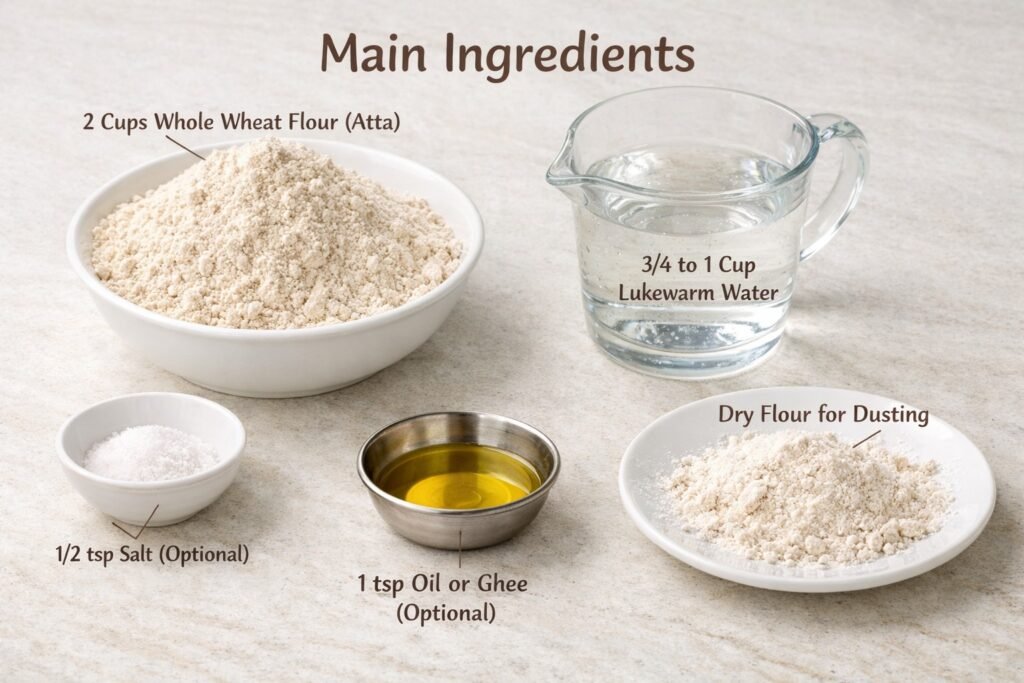
Ingredients Required
- 2 cups whole wheat flour (atta)
- ¾ to 1 cup lukewarm water (as needed)
- ½ tsp salt (optional)
- 1 tsp oil or ghee (optional, for softer chapatis)
- Dry flour for dusting
Indian substitutes:
- You can mix a little multigrain atta or atta with bran
- For softer texture, you can add 1 tsp milk instead of water
Step-by-Step Recipe Method (Detailed & Beginner-Friendly)
Step 1: Preparing the Dough (No Marination Needed)
- Take whole wheat flour in a wide bowl or parat.
- Add salt if using and mix well.
- Slowly add lukewarm water little by little.
- Use fingers to mix, then bring everything together.
- Knead into a soft, smooth dough using the heel of your palm.
- Add oil or ghee (optional) and knead again for 1–2 minutes.
👉 Tip: Dough should not be tight or sticky.
Step 2: Resting the Dough (Very Important)
- Cover the dough with a damp cloth or lid.
- Let it rest for 15–20 minutes.
👉 Tip: This relaxes the gluten and makes chapatis softer.
Step 3: Dividing and Rolling
- Knead once more after resting.
- Divide into equal lemon-sized balls.
- Roll each ball between palms to make it smooth.
- Flatten slightly and dust with dry flour.
- Roll into a medium-thin circle using a rolling pin.
👉 Tip: Don’t use too much dry flour; it makes chapatis hard.
Step 4: Cooking the Chapati
- Heat a tawa on medium-high flame.
- Place the rolled chapati on the hot tawa.
- When bubbles appear, flip it.
- Cook the other side until brown spots appear.
- Press gently with cloth or spatula to help it puff.
- Optional: Roast directly on flame for a perfect phulka.
Step 5: Finishing Touch
- Remove and apply a little ghee if desired.
- Serve hot for best taste and softness.
Pro Tips, Variations & Substitutes
- Extra soft chapati: Use lukewarm water and rest dough properly
- Healthier option: Add oats flour or millet flour (20%)
- For kids: Add 1 tsp milk to dough
- Regional variations:
- Phulka (no ghee)
- Jowar roti (gluten-free)
- Bajra roti (winter special)
Serving Suggestions
Chapati pairs beautifully with:
- Dal tadka or dal fry
- Aloo sabzi, bhindi masala, cabbage sabzi
- Paneer curry or chicken curry
- Curd, pickle, and salad
- Perfect for lunch, dinner, and office tiffin
Storage & Shelf Life
- Fresh: Best eaten hot
- Fridge: Store cooked chapatis for up to 24 hours in airtight box
- Freezer: Freeze rolled raw chapatis with butter paper for 1 month
- Reheat on tawa for best texture
Frequently Asked Questions (FAQs)
Knead soft dough, rest it properly, and avoid overcooking.
Yes, oil is optional. Chapatis will still turn soft if dough is rested.
Hard chapatis are usually due to tight dough, excess dry flour, or low heat.
Yes, chapati is suitable for daily Indian meals when balanced with sabzi and dal.
Both are healthy. Chapati has more fiber and keeps you full longer.
Final Thoughts
Chapati may seem like a simple food, but mastering it makes everyday cooking easier and healthier. With this detailed guide, even beginners can confidently make soft, fluffy chapatis at home without stress. Once you understand the dough texture and cooking temperature, chapati becomes second nature in your kitchen.
If you found this recipe helpful, do share it with family and friends, leave a comment below, and rate the recipe. Your feedback helps this Indian food blog grow and bring more authentic, home-style recipes to your kitchen.
Happy cooking !!!

Thank you for sharing with us, I believe this website genuinely stands out : D.
I am extremely impressed with your writing skills and also with the layout on your blog. Is this a paid theme or did you modify it yourself? Either way keep up the nice quality writing, it is rare to see a great blog like this one nowadays..